How to prepare your site for wet hire excavation
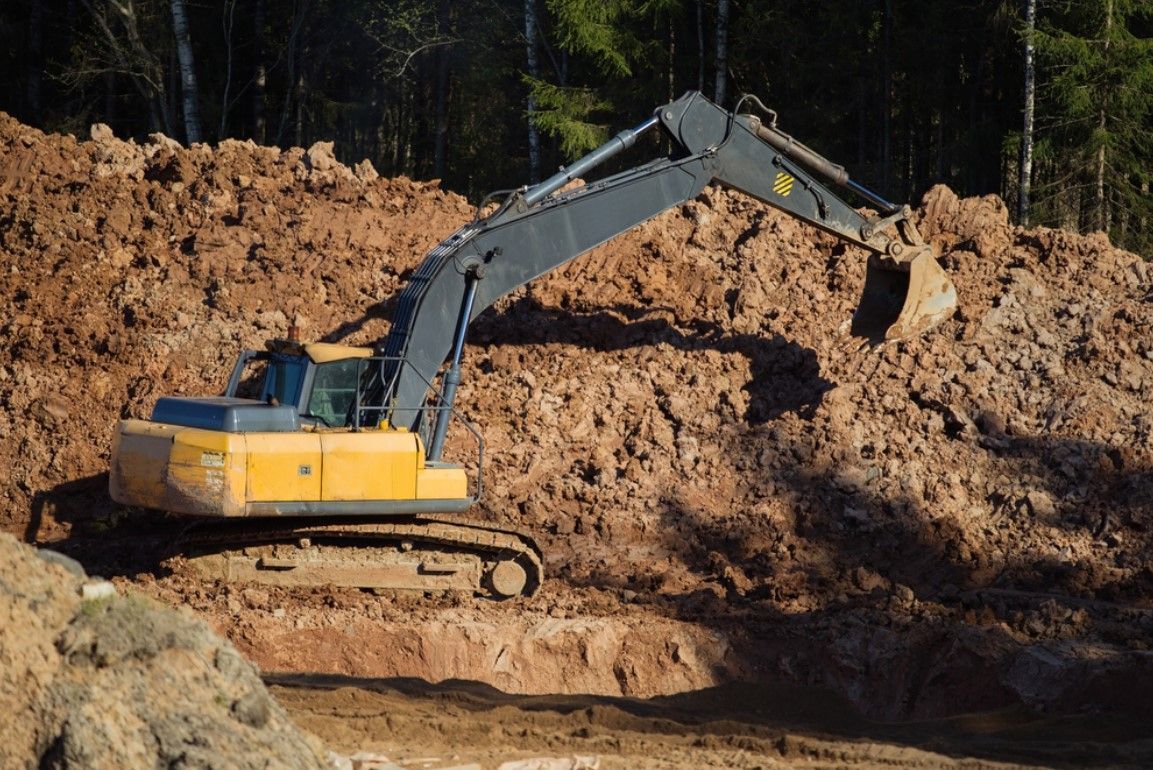
Good excavation work starts before the machine arrives. Clear access, a defined scope and accurate site information help the operator assess the job, select suitable attachments and avoid preventable delays.
If you are planning trenching, footings, site preparation or backyard excavation, the following steps will help you prepare for owner-operated wet hire.
Define the excavation outcome
Start by describing what the site needs to look like when the excavation work is complete. Include the type of work, approximate dimensions, required depths and any material that needs to be moved.
For trade work, provide available plans or mark the intended trench or footing alignment. For residential preparation, explain which areas need excavation and what stage of the wider project follows.
Check machinery access
A 3.5-tonne excavator still needs a clear path to the work area. Measure gates, side access and other narrow points rather than estimating them. Note overhead branches, structures, parked vehicles, soft ground and tight turning areas.
Photos taken from the entry point through to the work area can help the operator understand the site before quoting or attending.
Identify known services and site constraints
Before excavation begins, make sure the location of known underground and overhead services has been considered. Tell the operator about any information already available for plumbing, electrical, communications or other infrastructure.
Also identify retaining structures, fences, neighbouring property boundaries and areas that must remain protected. These details affect how the work can be approached.
Plan for excavated material
Decide whether excavated material will remain on site, be repositioned or require haulage. The material type, estimated quantity and available loading area all influence the equipment and time needed.
M Class Contracting can coordinate one tipper truck with excavation work where the agreed scope requires material movement. Providing this information early helps avoid arranging transport after excavation has already started.
Prepare the work area
Remove movable items from the access route and work zone before the booking. Keep vehicles, stored materials and other trades clear of the operating area where practical.
If the site is occupied, make sure the people using the property know when machinery is expected. Pets and children should remain away from the work zone.
Share useful information when requesting a quote
A useful excavation enquiry should include:
- the project suburb and site address
- the excavation type and intended outcome
- approximate dimensions and depths
- access measurements and current site photos
- known service information and site constraints
- whether tipper truck support is required
- preferred timing, where known
Clear information allows the owner-operator to assess whether the excavator, attachments and tipper setup suit the job.
Discuss the right excavation service
Wet hire may suit projects that already have a clearly managed scope, while residential preparation, civil subcontracting or coordinated earthmoving may better describe the outcome you need.
Explore the excavation and earthmoving services available for trade, civil and residential work.
Ready to discuss your site?
Send the project location, access details and required outcome so the work can be assessed before machinery is scheduled.